The Durable Material Myth: Why Toughness Does Not Make an Object Last
The durable material myth overlooks design, use and care. Learn how to judge an object’s weak points and build a realistic routine that helps it serve longer.
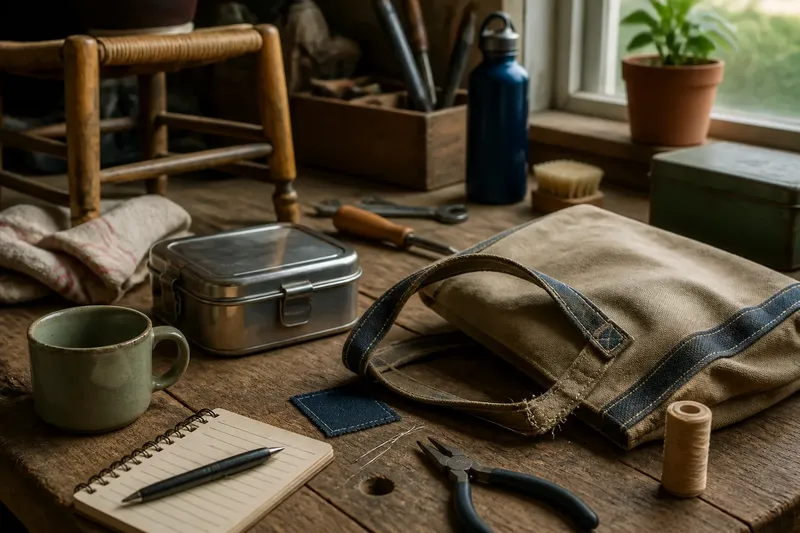
A stainless-steel lunch tin can outlast a flimsy one and still fail early if its hinge is strained every day. The durable material myth treats toughness as a promise of long service, but an object lasts through the combined effects of its material, shape, workload and care.
A useful routine starts by noticing where an object takes stress, then adjusting how it is used and maintained. You do not need to turn ordinary care into a technical project. A few well-timed checks can reveal whether a problem comes from wear, a poor fit, a demanding task or a part that needs attention.
What does “durable” actually describe?
Durability is not one property. A material may resist scratching yet crack under a sharp impact; it may tolerate heat but corrode when exposed to moisture. The relevant property depends on the job. A chopping board needs a surface that can take repeated knife contact, while a storage container needs to resist the contents and the way it is handled.
Objects also fail at their joins and moving parts. A wooden chair may have sound legs but a loose joint. A canvas bag may have sturdy fabric but weak stitching where its handles meet the body. A ceramic mug may withstand normal washing while its handle is vulnerable to knocks against a tap or another dish.
Think of an object as a working arrangement rather than a lump of material. Its useful life depends on how well its parts carry the forces placed on them, and on whether those forces match its intended purpose.
How do design and use change an object’s working life?
Design decides where material is placed, how parts connect and what can be repaired. A thick component is not automatically better if it makes an object awkward to hold or encourages a user to put stress on a narrow joint. A replaceable zip slider, accessible screw or stitched seam can make a product easier to maintain than a sealed construction with no practical route to repair.
Use supplies the repeated conditions. A bag carried by one handle, a pan overheated while empty and a chair dragged across a rough floor experience different stresses from the same objects used gently. These habits may be more important than a material’s reputation.
Care matters too, but it should suit the material and design. Oil may be appropriate for some wooden surfaces, while another finish calls for a dry cloth. Abrasive scouring pads can mark a coating; trapped damp can encourage corrosion on susceptible metal. Follow the maker’s care instructions where available, since finishes and constructions differ.
Before changing a routine, ask what the object is meant to do, where it shows wear and what conditions it encounters. Avoid treating every scratch as a defect: a surface mark may be cosmetic, while a small crack near a handle or joint can signal a functional problem.
What should you check during an ordinary week?
Use a light weekly rhythm rather than waiting for an object to fail. Choose a convenient moment, such as putting away laundry or clearing the kitchen, and look over items that receive frequent handling. The aim is to catch changes early and make a sensible decision, not to inspect every possession on a strict schedule.
- After regular use: Notice whether a handle, hinge, strap or fastening feels looser than usual. If it does, reduce strain and decide whether it needs a suitable repair.
- When cleaning: Remove residue with a method suited to the surface. Check labels or maker guidance before using solvents, abrasive pads or strong cleaners.
- When an item gets wet: Dry it in a way appropriate to its material and construction. Pay attention to seams, joints and enclosed spaces where moisture can linger.
- When storing: Keep objects from being crushed, bent or left in a damp place. Give materials that need airflow room rather than sealing them away while wet.
- When a mark appears: Work out whether it affects function. A superficial scuff may need no action; a split, sharp edge or unstable connection deserves closer attention.
Say you use a canvas tote for groceries and notice the stitching at one handle beginning to pull. You could shift heavy items into the centre, stop carrying the bag by that handle alone and arrange a suitable seam repair; the expected observable result is that the strain is spread more evenly and the loose stitching no longer worsens as quickly. If the fabric itself is torn or the seam is opening substantially, avoid relying on the bag for a heavy load until it has been assessed or repaired.
What can you do at the start of each season?
A seasonal check is useful because storage and weather can alter an object’s conditions. When bringing out outdoor furniture, tools or a travel bag, inspect them before they return to regular service. Look for corrosion, brittle or cracked surfaces, loose fittings, blocked drainage and signs of pests or damp where relevant.
Then match the object to the work ahead. A tool with a damaged grip may be unsuitable for its usual task; a container with a cracked seal may no longer protect its contents. Put aside anything that seems unsafe or unreliable, and seek a qualified repairer when the fault involves a load-bearing part, a powered mechanism or another safety-critical feature.
Before storing seasonal items again, clean off dirt and residue using a suitable method, let them dry as their materials require and choose a storage place that avoids unnecessary pressure or damp. Keep small parts, care instructions and compatible replacement components together if they are likely to be needed later.
Which questions help you choose the right response?
Does a scratch mean the object is failing?
Not necessarily. Check whether the mark changes how the object works, exposes a vulnerable layer or creates a sharp edge. If function remains unchanged, basic cleaning and observation may be enough.
Should every loose part be tightened?
Only if the connection is designed to be adjusted and you know the appropriate method. A loose joint may need a repair rather than extra force, and forcing a fastener can damage surrounding material.
Is repair sensible if the material is still sound?
Often, the fault lies in a replaceable or repairable part rather than the main material. Ask a repairer about the cause, the parts required and whether the repaired object will suit its intended use.
When should you stop using an object?
Stop when it is unstable, has a sharp break, exposes a hazardous component or cannot perform its task reliably. For a safety-related defect, seek qualified advice rather than improvising a repair.
How can you judge durability before buying?
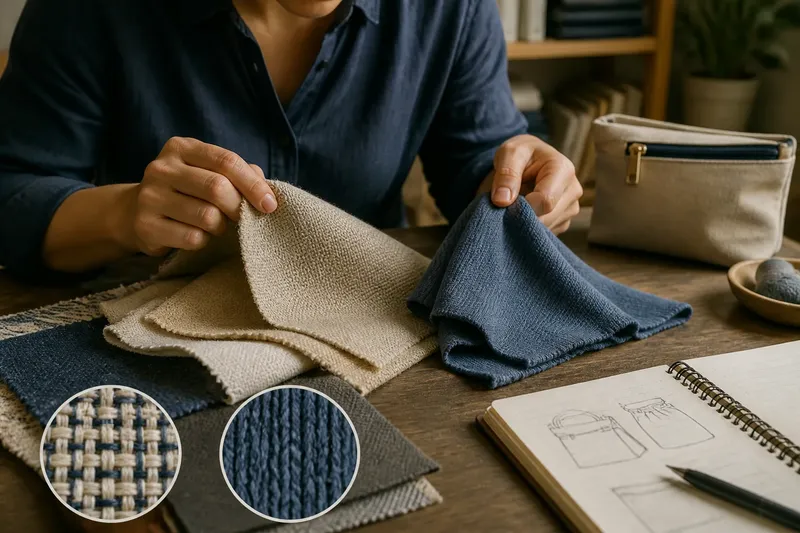
Look beyond labels such as “heavy-duty” or “long-lasting”. Inspect how handles attach, whether seams are even, whether moving parts have room to operate and whether likely wear components can be replaced. Consider the task you will actually ask the object to do, not an idealised one.
Ask whether the material and finish suit the setting. A metal item kept in a damp area may need a corrosion-resistant finish and appropriate care. A coated surface may be easy to wipe but vulnerable to abrasion. A natural material can be repairable and pleasant to handle while still needing protection from particular conditions.
Also consider whether you can maintain the item with tools and services available to you. A design that uses standard fasteners or accessible stitching may be easier to repair locally than one that depends on a sealed unit or uncommon parts. This does not make one construction universally superior; it helps you judge fit for your needs.
The durable material myth fades when you assess the whole object: what its material can tolerate, how its design manages stress, how you use it and what care it needs. Keep the weekly check light, make a seasonal inspection when conditions change, and respond to functional wear before it becomes a reason to discard an otherwise useful object. A well-chosen repair or a gentler task can matter more than simply choosing the hardest material.